The Venus Flytrap: Revelation And Apocalypse

The word we use to signify the end of everything is a word that means revelation. The Greek word apokálupsis opens the last book of the New Testament, and had given the scripture its first name according to old titling norms. The dismal prophecies contained therein must eventually have given rise to the English word, and its usage. Yet in and of itself, in its original purity it meant only to see something hitherto unknown with clarity. To have it be unveiled.

Any life aligned to a sense of purpose is a life of varied apocalypses. I hesitated as I typed, wondering if the plural should have been apocalypsi. I couldn’t recall encountering the plural in text, and perhaps that is because the meaning of the word is assumed to be, quite literally, the be-all-and-end-all (this calls to mind some other canonised religious literatures, which are prefaced by “The” rather than the more accurate “A”, as one among hundreds of tellings). Within a single life are many demises, and many rebirthings. This apocalypse we are in now, on a collective scale, is neither the first nor the last one – not for humanity, not for the planet, and not even for many individuals.

In the tarot, the Death card symbolises dramatic change, transformation, a necessary shedding of a chapter or cocoon. Endings and beginnings: the contemplative way is to see these can both be found in the same circumstance, the way a door can both contain and release.

What is true of the afterwards of every apocalypse is that nothing is the same again. In the throes of pandemic, the term “new normal” has been repeated so much that it’s already lost meaning. Perhaps what’s expected to happen is only normalisation, just like abuse and discrimination are normalised. There’s no agency in this, only a shifting of responsibility. That we’ve been let down by the structures that run the world is true, but acquiescence is not only unacceptable, but also a waste of what the poet Mary Oliver called so memorably one’s “one wild and precious life”.

One of the harder spiritual lessons I’ve tried to wrap my head and heart around is how even having confronted peril, and having survived it, some people don’t change. They don’t reckon with themselves, beautify and heal the path they’ve been on, or hold close the gratitude of having survived. This is a choice. Anyone who experiences enough of, or comes out of, this time – rife with a plague, disasters and even locusts, right out myth – has been given a revelation.

In a non-fiction book on faith and art, the author Madeleine L’Engle wrote, “Creative scientists and saints expect revelation and do not fear it.” Perhaps this offers a clue about why some utilise the opportunity while others squander it the way windfalls often are. No matter one’s calling, alignment and purpose show us how to survive, and honour that survival. There’s no mandate for what to do after a test of endurance such as this. There’s an adventure here (from the Latin root, adventus – “arrival”). There is a thereafter, and if we’re in it, what will we do?

An edited version appeared in The New Indian Express on May 28th 2020. “The Venus Flytrap” appears  in Chennai’s City Express supplement.
The Venus Flytrap: Lipstick Behind My Mask

When enough of this is over – because who knows if all of it ever will be? – there may come a day or an evening when something in the world beckons me to line my eyes and step into it again. I will venture out for something other than an errand or a dreaded obligation, and because I’ve weighed a risk and found that caution cannot convince me out of something that I crave. On that day, I’ll paint my lips and keep them secret, looping a mask over the lower half of my face. Hands that cannot touch but must speak will perform the mudras of the sequestered: fingers to the mask, then palm extended in a kiss presented but not blown; hand to the chest to emphasise the things that words have already conveyed.

Words will have more power in the new world than before, because we will need them more. We may be more easily swayed by them, because anything that contains power is always mined and misused – but we will also wield them better. We will need to, to shorten the new distances between us and fill the voids left by touch and all it does. But we won’t see each other saying them, won’t see how words take shape when spoken. Behind my mask, the lacquer on my lips could be crimson or could even be cyan. Only I would know. Perhaps there’ll be a minute or two when the person I embellish my face for, the company I risk encountering the virus for, will get to view it before we begin our meal. Separated by a clear partition on a disinfected table, served by people who’ve been rendered even more invisible and removed than they already and unfairly were. I’ll smile, vividly, before eating the colour off.

Lipstick is not frivolous. It wasn’t frivolous to the women at the Belsen concentration camp during World War II, who received a strange shipment of red lipsticks, and who (according to the diary of a British lieutenant active in the camp’s liberation) wore it even if they didn’t have adequate clothing to dress themselves in. It wasn’t frivolous for the women because of whom the economic term “lipstick index” was coined, when its sales increased during a recession because it offered a relatively affordable experience of luxury.

Lipstick as assertion of life and the desire for joy. So no, lipstick won’t be frivolous to those who still choose to wear it under their masks as they venture outside in the time to come, tinting their faces beautifully then covering them clinically, coming home to dispose of stained masks, finally understanding why women in cultures where concealment is enforced have always known that beauty is not only in the eye of the beholder. It won’t be frivolous to those who wish to wear it, but have not the means for the purchase, or who can’t for reasons best known to them.

Behind a mask, only the eyes can reveal a smile. But we’ll bring those velvety bullets to lips no one can read, always having known how their blazing colours also tinge the voice.

An edited version appeared in The New Indian Express on May 19th 2020. “The Venus Flytrap” appears  in Chennai’s City Express supplement.
The Venus Flytrap: Who Is To Blame For “boislockerroom”?

How is anyone surprised by the existence of the “boislockerroom” Instagram account, which shared private images of girls and women and was filled with violent fantasies? Run by teenage boys from an elite Delhi school, it is but one such account in an ocean of obscenity. Every woman and girl in India who uses social media knows this. While teenage access to smartphones is a marker of privilege, the larger picture of misogyny in India, even online-based expressions of it, cuts across class, caste and other divisions.

These teenagers did not become practicing misogynists in a vacuum. They aped behaviours that were normalised to them, and were portrayed as aspirational. Let us remember that immediately after the 2018 rape and murder of an 8-year old child in Kathua, the top search term on pornographic websites was for her name. This is a country where too many people hoped that there was footage of such a horrific incident, and sought it for their pleasure.

As I write this, #girlslockerroom is trending on Twitter, with screenshots that allege that the person who exposed the boys’ Instagram account was herself a part of a private group that objectifies men. I’m unable to wade through the misogyny of the tweets to verify where this information originated from. The new hashtag was clearly initiated primarily in a retaliatory fashion, to absolve the male students. 

Those who truly care about men and boys address toxic masculinity, issues relating to transmen and other queer people, mental and other health-related concerns, and socioeconomic challenges such as how class marginalisation and capitalism burden male breadwinners – every day of the year. Just like how feminists talk about the issues that matter to the communities they support, constantly. Those who become advocates for men only when it gives them a chance to criticise women are invested only in taking women down, not in making anything more fair for anyone. If there is to be a similar conversation about male objectification, it needs to be led by feminists of all genders. Not by misogynists.

What we know for certain is that at least one of these “locker rooms” existed. Among the hundreds of participating students will be some who could respond to an opportunity to change, and deserve that chance. No one who has experienced emotional or mental violence through these accounts is obligated to forgive them, but the murky work of moulding better human beings asks that we, who are not directly involved, don’t stop at admonishment and disgust. Otherwise, we’ll be trapped in cycles of outrage, forgetting the tedious work of ongoing resistance when there’s nothing that spikes our anger.

So when we’re done fixating on this group of teenagers, treating them like an anomaly when in fact they are the norm, here’s hoping that more people will trace their shocked “How could this happen?” to a logical conclusion: the hidden malignancies of the institution of family, and the inadequacies of the education system when it comes to teaching empathy and ethics. The blame rests somewhere bigger than on any one kid or the people who raised him. There’s so much more to fix here. 

An edited version appeared in The New Indian Express on May 9th 2020. “The Venus Flytrap” appears  in Chennai’s City Express supplement.
Fiction, Poetry, Essays & Selected Book Reviews/Interviews (2020)

A short story, “Anbarasi and the Ribbon-Fish”, in The Hindu Business Line Ink.

A short story, “In The Forest, Under A Claw-Shaped Moon” in the Influenced: Stories From The Lockdown anthology.

A short story, “Filaments”, in Tata Cliq/Que.

On Annie Zaidi’s Bread, Cement, Cactus, in OPEN.

On Tenzin Priyadarshi’s Running Toward Mystery, in OPEN.

On hereditary dance in contemporary novels, in The Caravan.

On Anukrti Upadhyay’s Kintsugi in Huffington Post.

Interview with Nisha Susan on The Women Who Forgot To Invent Facebook and Other Stories in Huffington Post.

Interview with Tanuj Solanki on The Machine Is Learning, in GQ India.

A personal essay on Funny Boy and the Indian Tamil gaze on Ilankai Tamils.

Two poems, translated into Italian by Andrea Sirotti, in YAWP.

The Venus Flytrap: Locked Down, Longing

Someone I haven’t touched in years emerged again in the shape of words, after a night through which fear and worry had not let me sleep. Sapped of circumspection, I had sent a simple message. Dawn had still not diluted the darkness, yet he replied immediately. He’d just been thinking of me. He too had been restless all night. He’d woken mid-way, he said, and seen the constellated sky through a parting in the curtains. The stars had coaxed a memory of another night under the same sky, of us in other chapters of our lives, of me. He asked me what I remembered.

We’d been back in contact for some time, without meeting, and an ease had returned to our acquaintanceship. But not this much, not yet.

He expected he’d be in my neighbourhood after the lockdown lifts. I offered lightly that we could meet – but not hug. “We could fist bump, with gloves,” he said. Everything and nothing is hypothetical now. The only gloves I own are fingerless lace ones. What could they possibly keep me from? Before I finally slipped into sleep at that swiftly brightening hour, I sent this: “Talking to you as the sun came up reminded me of some mornings long ago. Don’t disappear on me again. I don’t know if I will forgive you next time.” He responded; but not with words.

Days pass, in a calendar that seems to loop on itself. Hours upon hours. Do you keep count? How do you measure this strange and revealing circumstance? A healer told me once, after everything had changed for me, when I wept that the world was like it had never been before: No, the world is exactly the same. It’s you who has changed. Now the reverse is true. I believe we are closer to our truer natures, while what is beyond us has altered. We choose: guile, doubling down, mirroring, or to behold ourselves whole.

One afternoon in my own captivity, a transformer burst and quietness descended. No fan blades whisking the air, no electrical thrums, no traffic or construction anyway – then, I heard a voice. I’ll never be certain, but I hope it was the neighbour whose own words are always soft, and can’t counter her grown son’s frequent and miserable scoldings. She was singing “Poongkuyil koovum…”, with its lyrics about encountering divinity in nature, in a seaside flower grove where a kuyil opens its throat in seduction.

It’s the bird’s mating season now. I thought of a kuyil I’d watched for a year, in a house I miss every day – a house where this confinement could have been more bearable, where I would have observed a courtship unfolding on the boughs of a crow-nested tree. The woman’s voice faded away, perhaps because my imagination overwhelmed my listening. I didn’t catch my favourite line – “Thanimaiyil inimai kannden…” – but I felt it, felt it like the vibration created by stroking upon the rim of a resting prayer bowl. In solitude, I saw sweetness, the woman sang, even if I could no longer hear her – those words reaching through the ether to touch, and to touch again.

An edited version appeared in The New Indian Express on April 30th 2020. “The Venus Flytrap” appears  in Chennai’s City Express supplement.
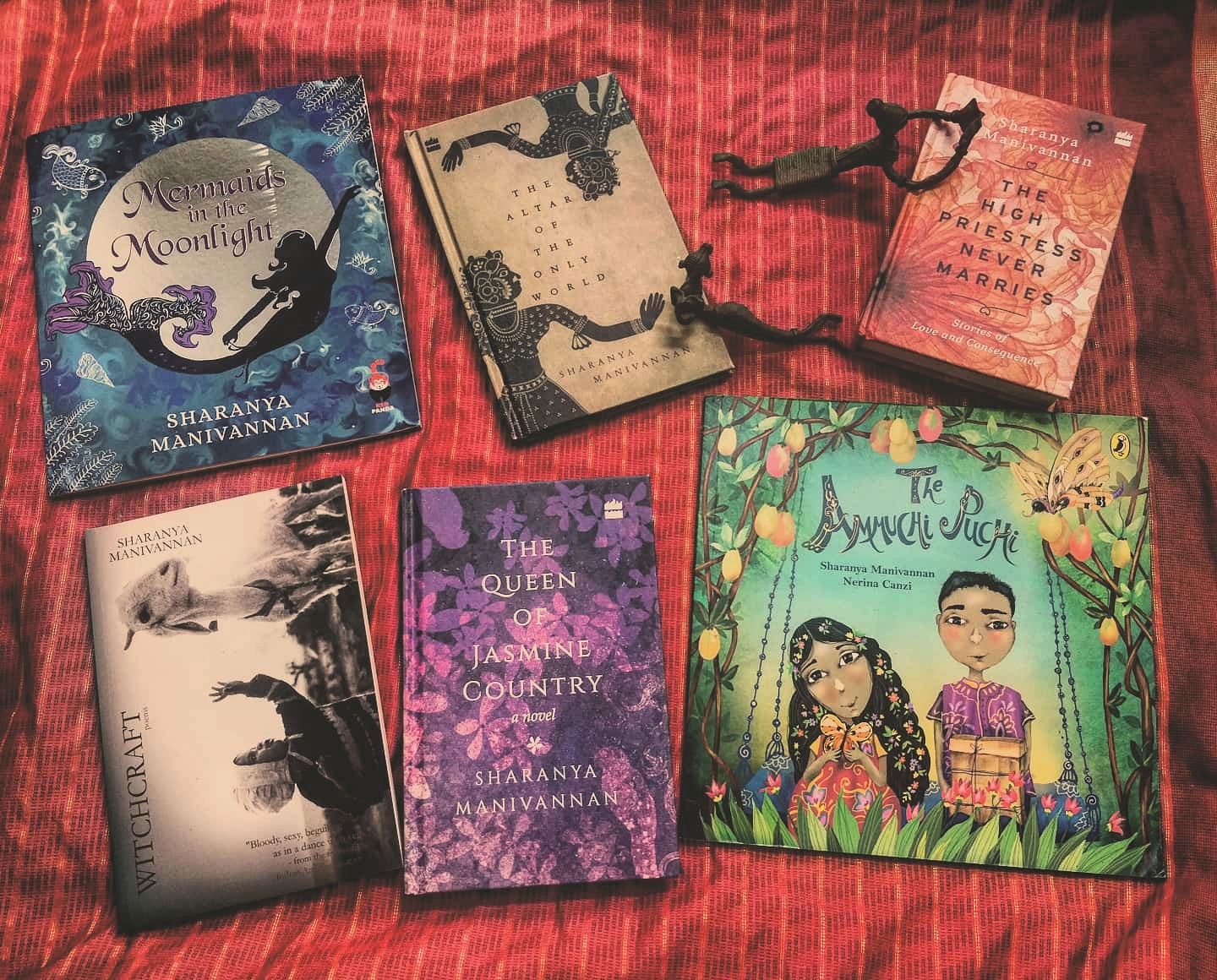
MY BOOKS

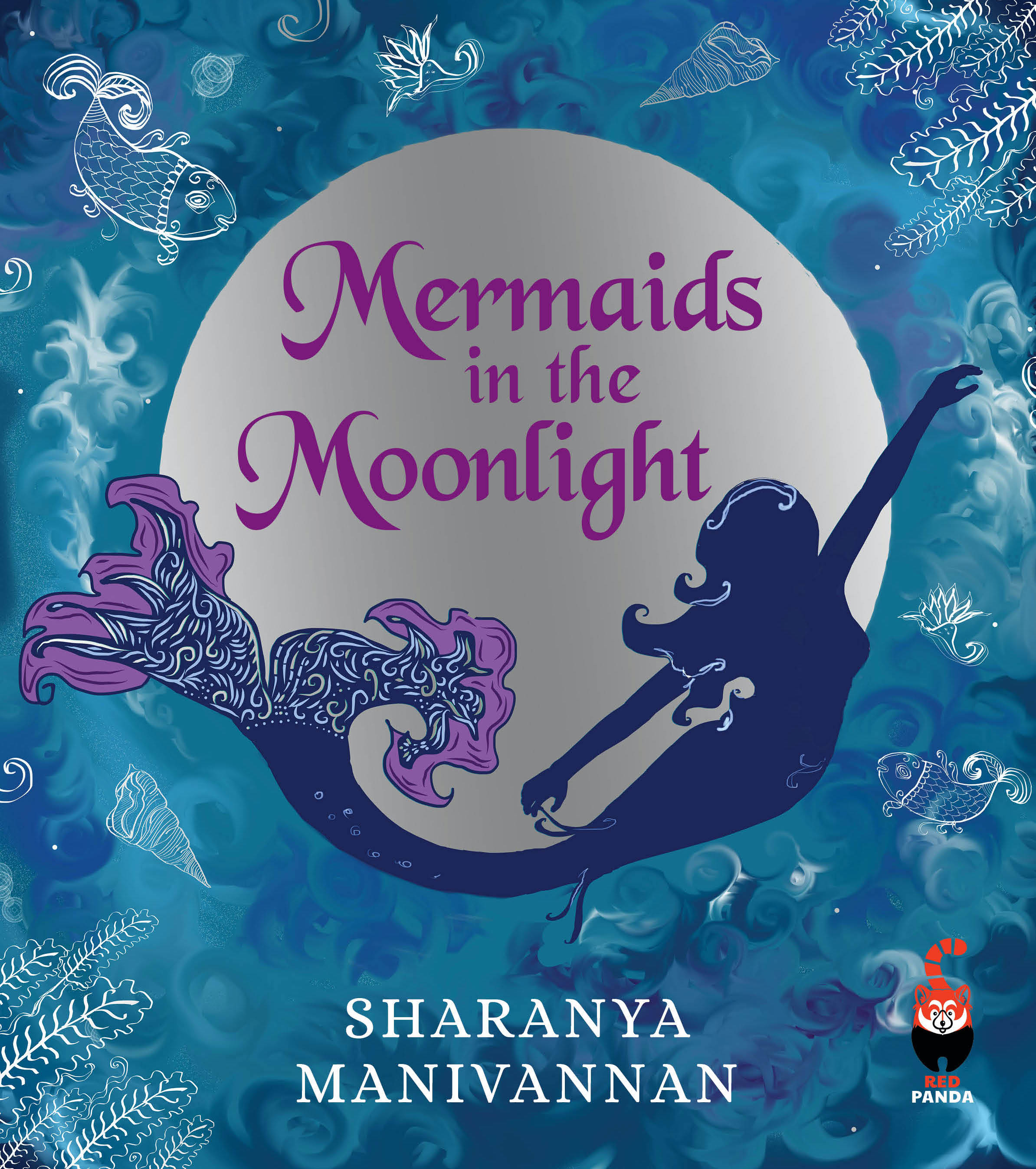
MERMAIDS IN THE MOONLIGHT

More about this book, including interviews, reviews and excerpts.

Shortlisted for the Atta Galatta-Bangalore Literature Festival Book Prize 2021

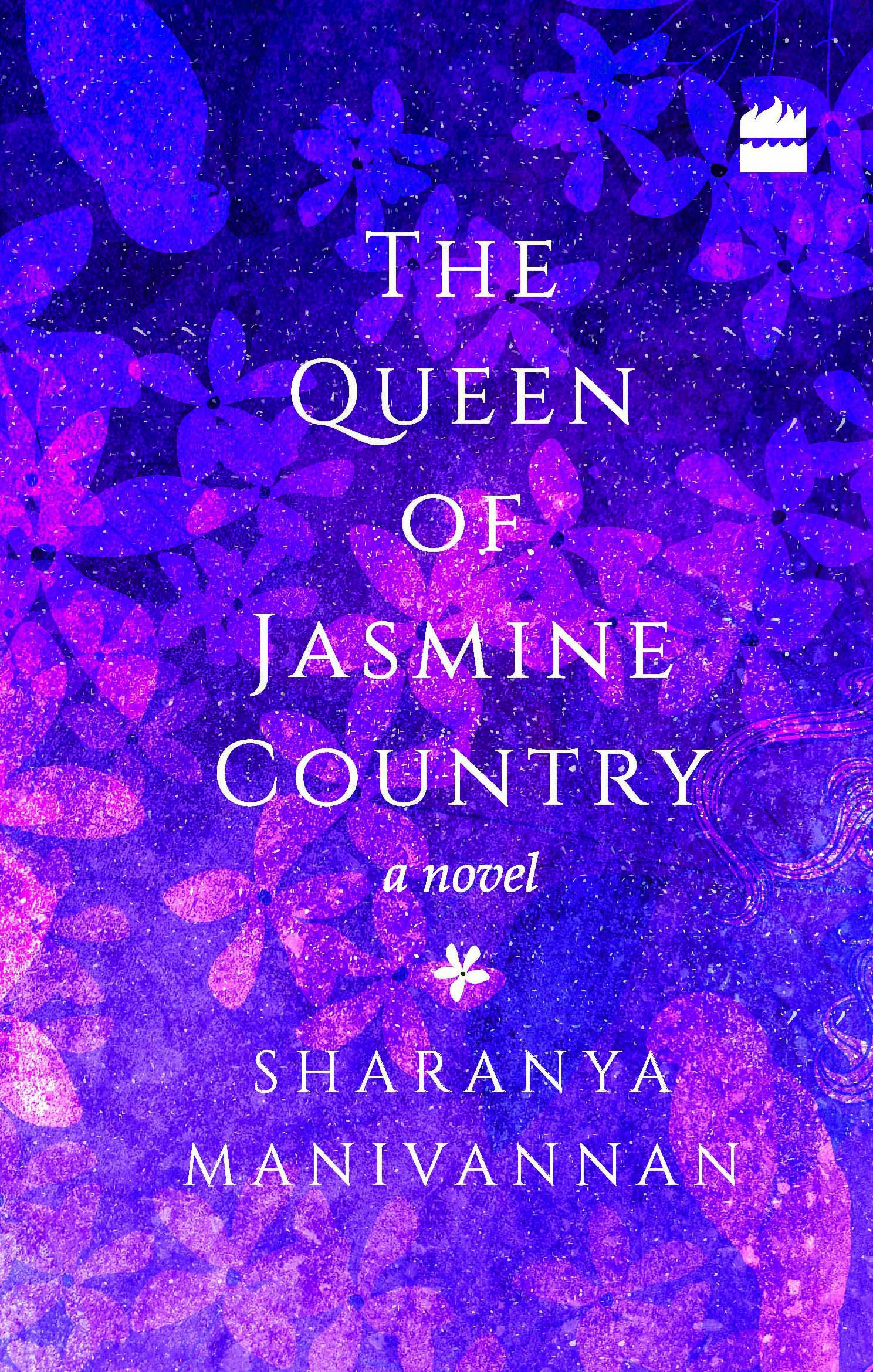
THE QUEEN OF JASMINE COUNTRY

The Queen of Jasmine Country_Cover Spread

Shortlisted for The Hindu Prize 2019 [Fiction]


Longlisted for The JCB Prize for Literature 2019


Longlisted for the Mathrubhumi Book of the Year Award 2020


More about this book, including interviews, reviews and excerpts.


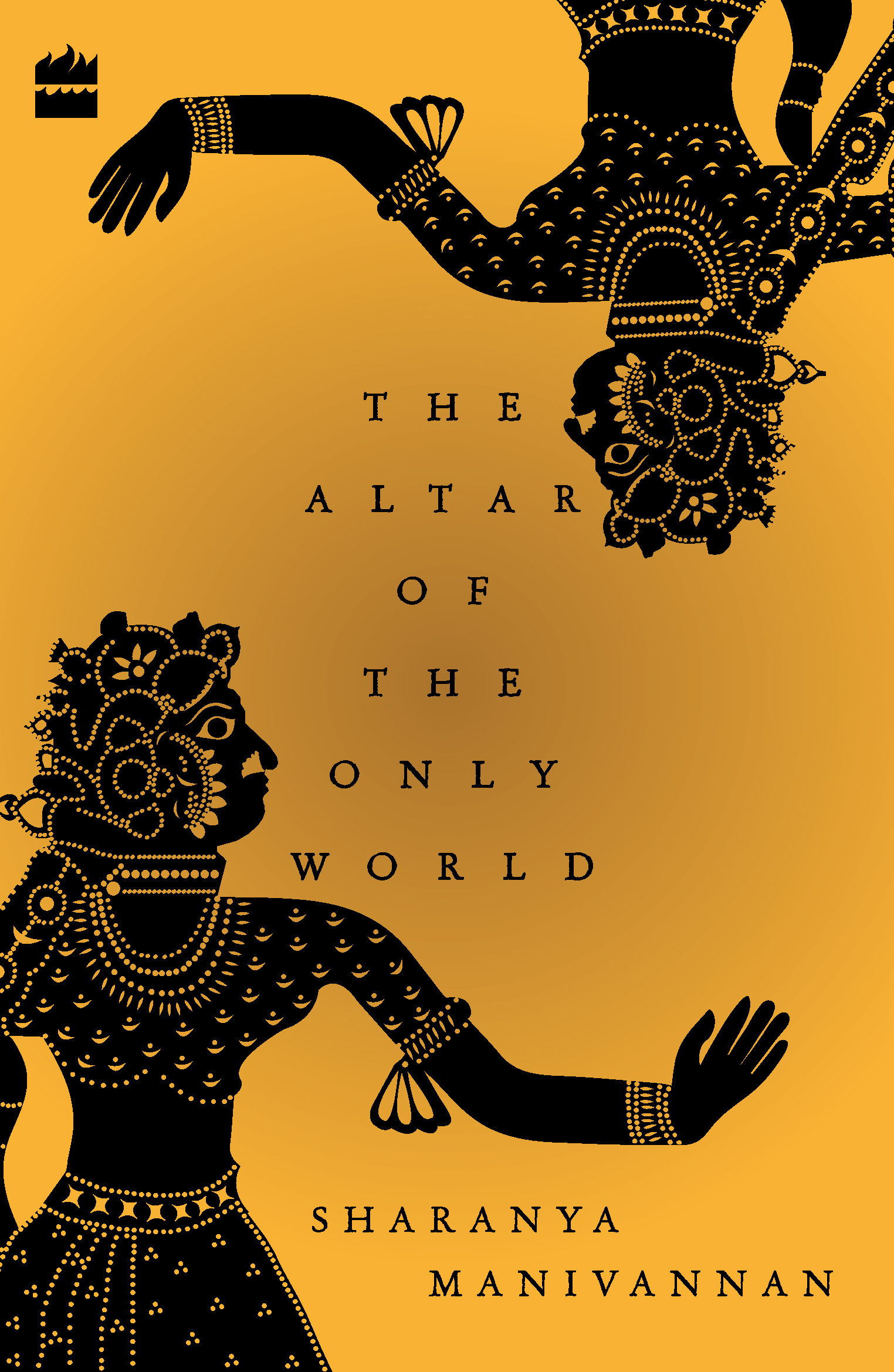
THE ALTAR OF THE ONLY WORLD

The Altar of the Only World-15


More about this book, including interviews, reviews and excerpts.


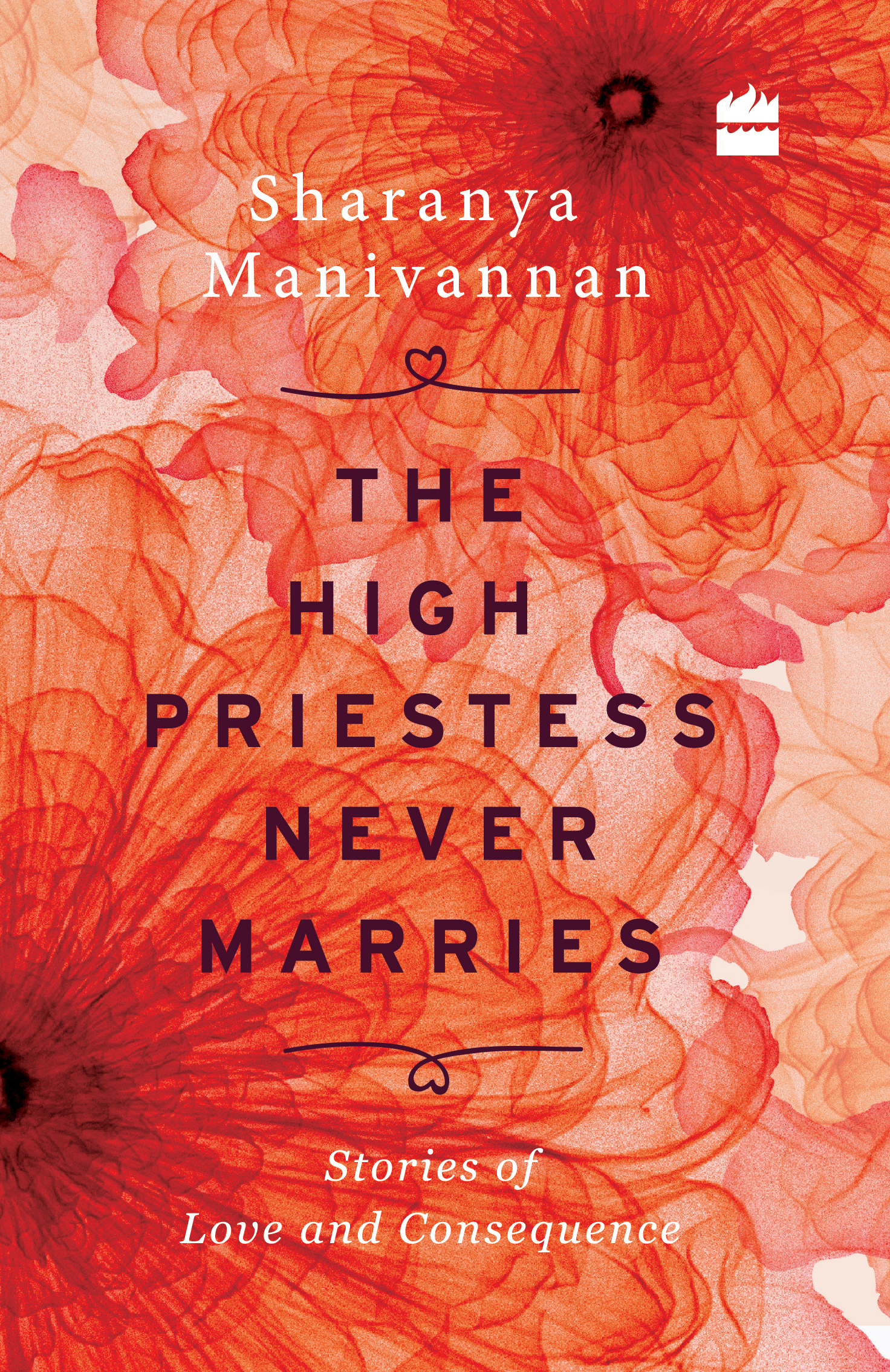
THE HIGH PRIESTESS NEVER MARRIES

The High Priestess Never Marries

Strung like luminous pearls, The High Priestess Never Marries is a collection of evocatively written short stories that feature women who seem suspended between relationships, living in moments fraught with desire and despair. Set in current day Chennai, these unnamed female protagonists cherish their independence, even within the bounds of relationships, and find their inner voices through an exploration of sensuality and choice. These are women who have accepted their many loves, their imperfect selves, and their fractured lives. In appreciation of the portrayal of single women in strong roles who cherish their independence and imperfection, The High Priestess Never Marries is awarded the South Asia Laadli Media and Advertising Award for Gender Sensitivity 2015-2016.” – Award Citation


Winner of the LAADLI South Asia Media & Advertising Awards for Gender Sensitivity [Best Book – Fiction]


Shortlisted for the Tata Literature Live! First Book Award for Fiction


Longlisted for the Atta Galatta-Bangalore Literature Festival Book Prize 2017


More about this book, including interviews, reviews and excerpts.


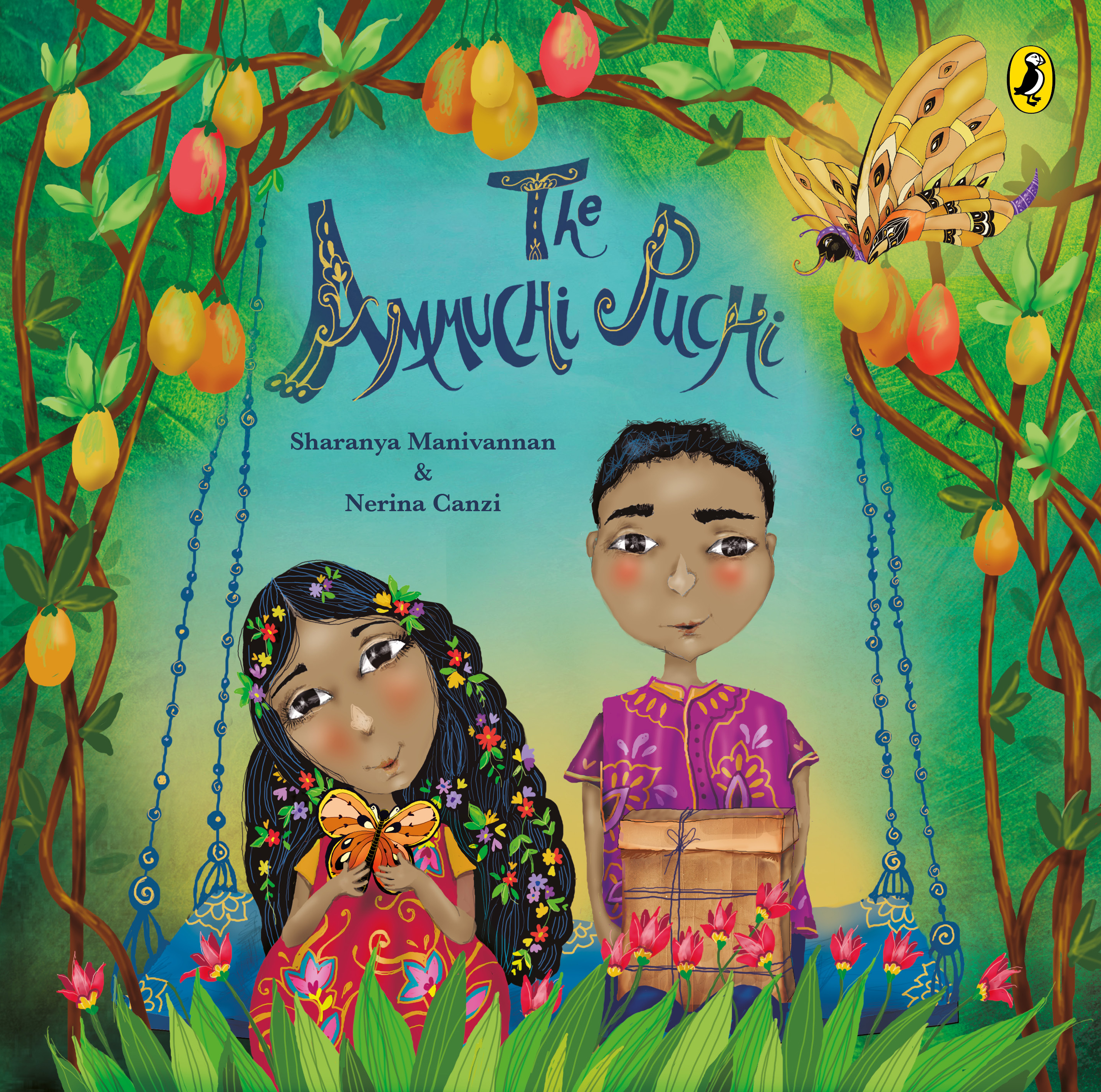
THE AMMUCHI PUCHI

Ammuchi Puchi

Honourable Mention for a Neev Children’s Book Award 2019


Shortlisted for a Peek-A-Book Children’s Choice Award 2018


Nominated for Best Writer Of The Year at the Comic Con India Awards 2019


More about this book, including interviews, reviews and excerpts.


WITCHCRAFT

Sharanya Manivannan - Witchcraft

“Sensuous and spiritual, delicate and dangerous and as full as the moon reflected in a knife.” – Ng Yi-Sheng


‘Bloody, sexy, beguiling as in a dance with veils.” – from the foreword by Indran Amirthanayagam


(Out of print)

Poetry, Essays & Fiction (2018-2020)

An essay, “Apportionments of Love”, appeared in the anthology Knot For Keeps: Writing The Modern Marriage (HarperCollins India 2018) and was republished in Scroll.

A poem, “Something Was Promised Me”, appeared in The Sunflower Collective.

A poem, “The Mothers”, appeared in Rattle.

A sonnet, “Sometimes, There Are Cyclones”, appeared in The Indian Express.

A short story, “The Walk”, appeared in The Bitter Oleander, Vol. 26, No. 1 (Spring) issue.

Suvarnamaccha

There is a limestone isthmus between two tiny islands – Rameshwaram and Mannar – that once connected the Indian peninsula and Sri Lanka, by foot and for half a century even by rail. No bridge, made by nature, by people or by their machines, has been able to remain standing, holding these two points together. Cyclones, such as the 1964 one which turned Dhanushkodi in Tamil Nadu’s far south into the ghost town and another one dated to 1480, have overwhelmed every attempt with a watery erasure.

There happen to be dugongs in these waters – those gentle, sea grass-grazing creatures which many believe led centuries of cabin-fevered seafarers to experience visions of mermaids.

Many Ramayanas recount the episode in which Hanuman and his army of vanaras, men and god-kings (and at least one squirrel) build a bridge of boulders to Lanka, and some believe that this isthmus was the result of this endeavour. In certain Ramayanas, particularly those that come from South East Asia, the marauding army finds its constructions sabotaged. Each day, the bridge extends through their labour, cutting further into the sea and closer to the other side. Each night, it retracts. Hanuman watches closely and discovers a bevy of mermaids removing the boulders by darkness, working as efficiently as his own legion. They are led by Suvarnamaccha, whose name contains the words for “gold” and “fish”. She is impossible to look away from – everything about her, from her commanding presence to the alluring curve of her caudal fin, dazzles. It is clear that this waters are her dominion. She refuses to engage with him. Until she does.

What begins as a bureaucratic quarrel becomes love, or something like it. Suvarnamaccha notices how gorgeous the opponent is; Hanuman registers her desire, and with it, his own. There is a wildness in both of them, humming within their human consciousness, and which they each recognize in the other. Suvarnamaccha calls her army of fish-tailed women away from their task. The bridge is completed, and prepares to bear the weight of Hanuman’s legion as they cross the sea to arrive in Lanka, in search of a kidnapped queen. When Hanuman asks her why the mermaids had kept dismantling the bridge, Suvarnamaccha tells him that she is a daughter of Ravana, the kidnapper king who has more faces than a hall of mirrors.

This brings me to an interlude, and to a merging of tellings. This is what I imagine Suvarnamaccha did for her sister, in the renditions of the epic in which incest becomes the knotty underside of the embroidery. That sister (this is a kinship that is not necessarily consanguine) was the one whose mother was Ravana’s chief consort Mandodari. I imagine Mandodari somewhere in the innermost chambers of her palace, giving birth as silently and secretly as she can. She had meant to end her life when she consumed the grail of milk-mingled blood from a chthonic sacrifice; instead, she had become pregnant with a progeny cursed to bring about the king’s downfall. I imagine Mandodari walking alone to the shore, where she sets her newborn into a lined basket and lowers it into the water with a prayer. There is nowhere on this island that her daughter will not be found, and killed. The baby-bearing basket is swept into the currents. I imagine Suvarnamaccha coaxing the tides with her tail, gently leading her sister to a land where she will be discovered, and named by the king who would become her father as Sita.

Let us return to Suvarnamaccha who becomes pregnant too, later in this mythos, entwined underwater with the charming and devastating Hanuman.

Did he love her? When we consider how myths have been recorded across millennia, it becomes clear how rarely the question gets asked. And how much less frequently the answer has mattered to those who tell this story, or many like it.

In the South East Asian Ramayanas, Thai and Khmer among them, Hanuman is far from the celibate that most Hindu traditions hold him to be (but there is a Suvarchala, whose mother was shadow and father was sun, with whom he had a sexless marriage, as enshrined in a temple in Telangana). Jain beliefs also name among his wives Anangakusuma and Lankasundari.

His lovers and spouses are numerous, and he has at least one other child who is part-piscine, though born through stranger means. Upon burning Lanka – some time after leaving Suvarnamaccha – Hanuman plunges into the sea to cool his own flaming body, and a drop of his perspiration falls into the mouth of an unnamed makara, a mythical sea creature that itself is part-aquatic and part-terrestrial. Makardhwaja is cut out of his mother’s belly when she is caught by fishers in Patala-lokam, the netherworld, and becomes a warrior.

In the separate stories of Macchanu and Makardhwaja, they both meet their father – they both battle him, knowing or not knowing their lineage but bound by loyalties far more meaningful than blood. But what becomes of their mothers, or the memory of them? Does Makardhwaja ever learn his mother’s name, the one who became entangled in a net and was sliced open for meat? Does Macchanu ever visit the gulf of his birth, to meet Suvarnamaccha somewhere in its depths and swirl with her in her realm? Surely she is there, in some configuration of a story made of water, and therefore unable to be razed by fire: golden-tailed and ageless, the sunlight glinting on her scales when she surfaces from time to time out of the sea that carries the sky’s reflection, and peers up at the clouds to see if she can catch a glimpse of another tail – simian, strong and ever so slightly charred.

An edited version was published in The Indian Express’ Diwali 2019 special edition.

The Venus Flytrap: Healthcare Workers In A Time Of Health Crisis

As a neurosurgeon and the managing doctor of a hospital, Dr. Simon Hercules would have directly or indirectly served thousands of patients. It was probably while in the line of work, treating COVID-19 positive people, that the doctor may have contracted the infection himself. He passed away over the weekend, and was prevented from having a dignified burial by two mobs of residents from the very neighbourhoods that his hospital serves.

On Sunday night, his family and a few colleagues received his body and travelled in an ambulance to a cemetery in Kilpauk. Here, the first mob refused to allow them to proceed. They then went to a cemetery in Anna Nagar, where a second mob unleashed violence on them, pelting stones and logs at the ambulance. A harrowing night ensued for the mourners and the ambulance staff, including sustaining severe injuries. It culminated in a colleague of the late doctor having to dig the ground with his bare hands in order to complete the burial, under police protection.

This was not the first such Indian instance, however. In Meghalaya, a deceased doctor’s family had to wait 36 hours before a burial plot was available to them, due to a mob of hundreds preventing the rites. The cremation of another doctor in Chennai, originally from Andhra Pradesh, was also initially stopped by a mob. All such gatherings were formed in direct violation of lockdown rules.

Medical workers have also faced sudden evictions, ostracisation from their neighbours, and other forms of discrimination during this pandemic. A report in The Guardian on March 20th detailed how a Kolkata nurse and her children were thrown out of their apartment without notice, and how janitorial staff and others had been sleeping on plastic sheets on hospital campuses, prevented by neighbours from returning home.

Just two days after that report was published, millions of Indians assembled with or without social distancing to bang pots and pans together, supposedly to show their appreciation for healthcare workers. As many healthcare workers themselves, both in India and abroad, have said: all such gestures are meaningless if not accompanied by demanding accountability from authorities, especially for increasing production and availability of PPE kits, as well as for increasing testing and other measures. Dr. Pradeep Kumar, who performed the final rites for Dr. Solomon Hercules, spoke to India Today about how misinformation spread to the public (about how the virus is transmitted, and falsities such as that lighting candles would dispel it) was behind the shocking breakdown of civil behaviour that night.

It is a mistake to aggrandize any role and assign noble qualities to it by default. But workers in the healthcare sector – not only doctors, but everyone who works in a medical environment – are at risk in this pandemic precisely because they are the ones fighting it directly. Everyone deserves basic dignity: the medical officer and the migrant labour, both. Middle-class India is revealing its vilest face through this pandemic, ungrateful to the vital people who administer the medications, clean the bedpans, build the cities, harvest the fields. How do we expect to survive without them? And do their own lives mean nought?

An edited version appeared in The New Indian Express on April 23rd 2020. “The Venus Flytrap” appears  in Chennai’s City Express supplement.
The Venus Flytrap: To Whom The Song Belongs

Every time I hear the original “Masakali”, I think of the first time I heard it. A friend had sent me a video in which the melody was overlaid on a black and white clip of slapstick comedians Laurel and Hardy dancing. Something had upset me, and he’d sent it to lighten my mood. I’ve long forgotten what I was miserable about, but I’ve never been able to listen to that song without thinking of him.

Many popular works of art have such a mnemonic effect on us, conjuring everything from teenage summers, indelible loves, special trips and more. “Masakali” must mean a lot of things, to a lot of people. So, how many seconds of “Masakali 2.0” did it take for you to recognise that the remix was a dud?

The song’s composer A.R. Rahman criticised the rendition on social media, in a departure from his congenial public image. Playback singer Mohit Chauhan, who recorded the original, also expressed his dismay. All this is not just drama fodder. It reveals the seedy underside of being an art-maker within capitalism.

Shortly afterwards, playback singer Neha Kakkar spoke up about being insufficiently compensated for her work in cinema; she said that concerts provided better income. It bears remembering that the iconic Leonard Cohen was forced to resume touring in his 70s to evade bankruptcy.

Many of us are guilty of falling for the notion that music, or any art, is free. It’s nice to think that a beautiful song belongs to everyone; and in a sense, it could. It’s just that someone made that song. More than one someone, sometimes. To create a thing of beauty or meaning and to give it away is very different from losing it, or losing one’s claim over it – or never being paid enough for it, literally.

In 1974, Dolly Parton turned down the chance to have Elvis Presley record a song she wrote, “I Will Always Love You”, giving up the potential for it to be even more popular and lucrative. Presley’s manager had demanded half the publishing rights to the song, and Parton made the painful decision to reject the deal. This was a brave choice, but such a choice isn’t always available to every creator. Especially when one needs the money, needs the door to open, or knows they may not get another opportunity.

The Covid-19 lockdowns have made TV shows, films, music and books an integral part of how people (with the privilege of access) are managing the situation, especially from the perspective of emotional well-being. Most people really are grateful for these entertainment and enrichment materials, no longer taking them for granted. However, this gratitude can be made more meaningful by sparing a thought for what will likely happen to the creators of the same artforms in the near future, economically speaking. This will impact what gets produced, promoted or published at all. Whether as artists or as consumers, we must become invested in dismantling capitalism as it exists today and reassembling better systems – systems which ensure that no one goes hungry, regardless of their profession or background, and also recognise the arts as essentials.

An edited version appeared in The New Indian Express on April 16th 2020. “The Venus Flytrap” appears  in Chennai’s City Express supplement.
The Venus Flytrap: The Nemesis’ Narrative

Last week in lockdown viewing, I watched a Netflix mini-series called Self Made, based on the true story of the entrepreneur Madam C.J. Walker (née Sarah Breedlove), born to formerly enslaved parents in the American South and eventual founder of a million-dollar haircare empire. It’s a show about race, class, gender, and the concept of beauty. If you haven’t seen it yet, and plan to, there may be spoilers ahead.

In Self Made, Sarah’s arch-nemesis is the person who introduces her to cosmetology. The wealthier, light-skinned Addie Monroe first gains her trust then insults her, telling Sarah she isn’t attractive enough to sell her product. Sarah replicates the product and finds her own success, but her rival follows her like a shadow. Addie dredges up Sarah’s flaws over and over through the decades.

While watching the show, I thought – hmm, this feels true to life. Grudges can fester for ages. Sarah’s own trigger-proneness was also recognisable; there are certain old woundings that shape us, and which have the strange dual effect of propelling us forward but also dragging us back. Impressed overall, I spent a little time looking up the original Madam C.J. Walker, and found that the biggest criticism of the show was the portrayal of the real woman – Annie Malone – who was villainised as Addie Monroe.

It is factual that Malone (herself one of the first African-American women to become a millionaire) had employed the real Madam C.J. Walker briefly, but why their association ended is not documented. No evidence exists of a lifelong feud. Perhaps there’s a whisper of truth in it: that the two entrepreneurs disliked each other. Still, the way the filmmakers extrapolate this possibility undermines the legacy of both women. It suggests that their struggles (and triumphs) against societal discrimination weren’t nearly as important as their rivalry. Besides which, if anyone should have a bone to pick, that’d be the ghost of Malone, who pioneered what Walker studied and built on, only to become the jealous bête noire of a biopic.

The show made me wonder, ultimately, about my own animosities. In the narrative of my life, in which I am the hero (just as you, in the narrative of your life, are its hero), I wouldn’t want my various antagonists to occupy much space at all, let alone screen time. Of course they’re there, of course they’ve influenced everything through their sabotages and betrayals. It may even be true that it’s individuals, not structures or circumstances, who make particularly painful imprints on us. We may connect them to a larger problem, say, misogyny – but the one who enacts it is the one who induces our bile. Still – it’s not the anti-hero who makes us the protagonist, just as there’s no need to suppress another in order to play the lead in one’s own life.

Yet people do. This is the weird tic inside Self Made’s fiction that makes it compelling even while problematic. Addie Monroe feels exactly like that person: the one with such a hawkish eye on another’s journey that they think they’re running rings around that someone without noticing they’re really just walking in circles themselves…

An edited version appeared in The New Indian Express on April 9th 2020. “The Venus Flytrap” appears  in Chennai’s City Express supplement.

The Venus Flytrap: Working From Home, Within A Crisis

I’ve been working from home since late 2016, and I hope I can offer some suggestions on effectively doing so if you’re new to it.

To begin, some practical tips: never work in bed. It’s terrible for your back. If you don’t have a desk, use a dining table or kitchen counter. If you have enough space so that you can set up an “office”, do so, and don’t eat or watch TV there. Demarcating spaces will also help you demarcate time. You may feel you have a lot less or a lot more time than you did before. Keep daily checklists (personal and professional) as well as weekly and monthly planners. It helps to keep your eye on the big picture when the days merge formlessly. If there’s less work, set manageable growth-oriented tasks: updating your CV, making a vision board, etc. Leisure soothes; don’t beat yourself up.

Working from home is an enormous privilege, as evidenced by the thousands of migrant labourers who walked the Indian highways to reach their villages when this lockdown was announced. People who are or provide the supply chain, sanitation services, home deliveries and medical attention can’t work from home either.

This reality doesn’t nullify the fact that “home”, even if there’s a roof above one’s head and Wi-Fi, can be a highly toxic environment. This is truer than not in the Indian context, bound by patriarchy, where every family has a mountain of “dust” swept under a flimsy carpet. Set private boundaries even if others don’t respect them. For instance, commit to not engaging with anyone whose behaviour sets you off. Bite your tongue, keep up self-healing practices if you have the privacy to, and train your eyes on the long-term. If you realise that you don’t want to live like this permanently, accept that it will be months at least before changing your life becomes viable. Focusing on surviving this, then getting out.

No matter your scenario, mental health is a priority at this time. In a state of uncertainty, we are softer targets than ever. With the anxiety-inducing effects of constantly checking the news, paired with the tentacles of inadequacy that brands/influencers still shoot into our lives, it’s best to be careful about social media usage. Take up journalling: empty your worries into it. There are many guided or prompt-based practices online. Be flexible about how you define productivity. It’s hard to concentrate right now, so if you don’t learn a new language or tackle that to-be-read pile, it’s okay!

When you feel overwhelmed, return to this question: Who do you want to be when all of this is over?

The skills you acquire in this time are not only meant for crises. They are all adaptable into the next normal, post-pandemic. Try to see this period as a beautiful opportunity to inculcate practices for the long-term. These include taking up meditation or exercise, budgeting better, building meaningful connections based on communication (not activity), fairer division or more efficient management of household chores, eating more creatively, developing clearer socio-political ideas, achieving a healthy work-life balance, becoming self-disciplined and much more. Lean into growth, not fear.

An edited version appeared in The New Indian Express on April 2nd 2020. “The Venus Flytrap” appears  in Chennai’s City Express supplement.

The Venus Flytrap: Wishes For Well-Being

I write from a place where I manufacture hope for myself – and for the world – out of nothing but with all of me, the way a silkworm spins a cocoon from its body, or the way the sunlight-catching gossamer that a spider weaves from itself becomes at once its home and its art.

May you find in this time of constraint that you have more will and more heart than you usually have recourse to. May you draw from old wells of strength, and may they show you how you have been here before, and how you lived through it. The circumstances may be amplified, but the feelings are familiar. You have felt helpless before. You have known isolation. May you receive this while bolstered by that memory, just as I send it to you from a place of periodic equanimity, gained by experience and with the sense that all the world has slid now to the level of disquiet I always live with. And having lived that way, I can tell you that you can too. If you have the bare minimum to stay alive in this adversity, you can still find or make mirth, romance, creativity, comfort.

I know that somewhere in this city, the boughs of mango trees must be ladening with ripening fruit. The season for them has surely arrived, as seasons do, even out of turn in this time when ecospheres evolve. Soon, the rare jacarandas – you may know where amidst these many streets suddenly empty of our urgencies and our vanities they are rooted – will prosper in purple. Have you noticed how many words in the English language for this colour borrow from the names of flowers that carry it? Lilac, lavender, violet, periwinkle. Jacaranda is not one among them, both tree and tint. How beautiful to think of them all: summer’s bounty – the flowering trees, the fruit-bearing boughs, the weeds, a wild luxuriance. They will loom radiant in their posts whether we can see them, or touch them, or take from them or not. I write from a place with no foliage in my sight, for the first time in over a dozen years. It’s enough for me to know it thrives out there, away from our plucking hands and our polluting vehicles. Remember that nature has its own rhythms, and that you can conjure them up in thought. They susurrate within you. They are you.

May this find you in a place where your water, your electricity, your subsistence and your Wi-Fi are blessedly stocked. May you have enough. May you know that your coffer of courage, your vault of ingenuity, your repository of goodwill, and your larder of intuition are renewable resources. You do not have to fill them as we did before, using the ways we took for granted. There are other ways: gentler, simpler, more generous, more connected from afar. May you know that you are precious, and so is each life. May you know that if you are lucky, it is disgraceful – as in, incognizant of the universe’s grace – if you do not use your survival to make the world a better place.

An edited version appeared in The New Indian Express on March 26th 2020. “The Venus Flytrap” appears  in Chennai’s City Express supplement.